
14 Luxury Handbag Brands Worth Investing In
Why Some Handbags Become Investments — and Others Don’t
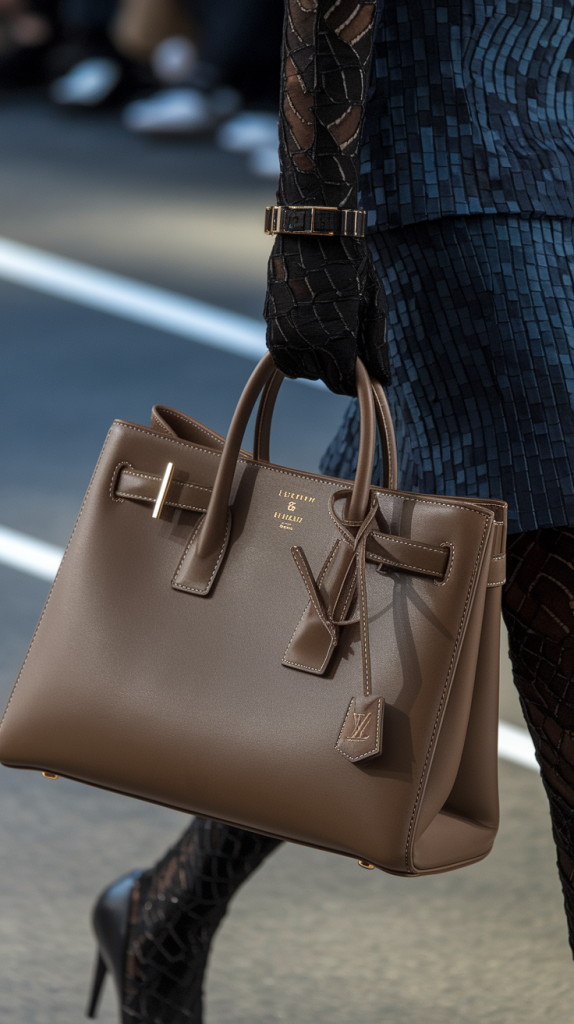
Luxury handbags have always symbolized status, refinement, and personal expression — but in today’s market, they represent something even more valuable: a real investment. More than just beautiful accessories, certain designer bags can outperform traditional assets in long-term appreciation, offering both emotional joy and financial return.
Over the past decade, fashion economists and collectors have confirmed what style lovers have always suspected: an Hermès Birkin or a Chanel Flap Bag can hold — and even increase — its value far better than most ready-to-wear fashion. In an era when quality and timelessness are cherished above all, luxury handbags have become wearable works of art, bridging the gap between elegance and economics.
But not every handbag qualifies as an investment. Some are fleeting trend pieces, while others evolve into icons that define generations. The key lies in choosing wisely — focusing on craftsmanship, heritage, and the unique magic that makes a bag unforgettable.
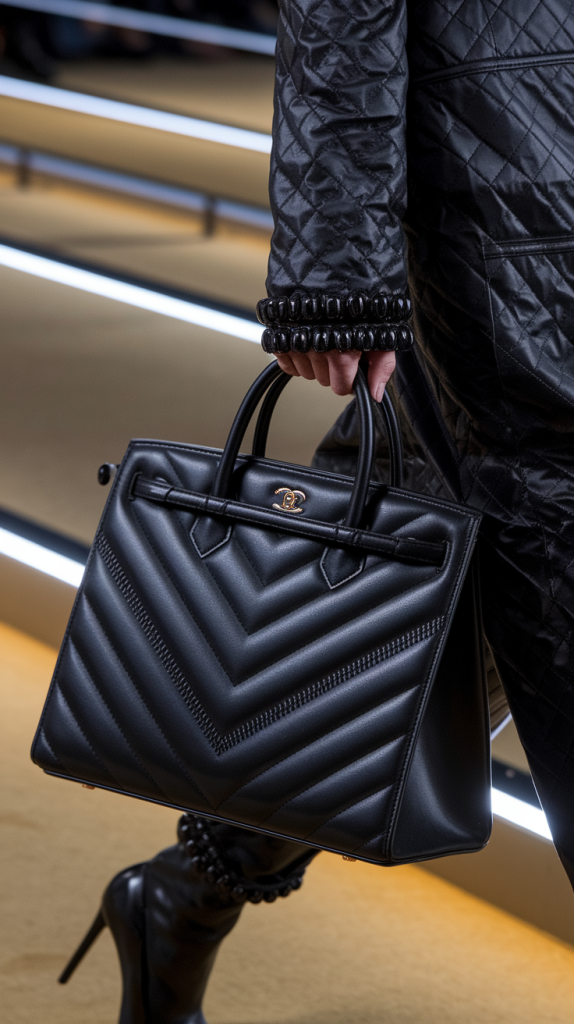
In this guide, we’ll explore fourteen luxury handbag brands that continue to prove their worth season after season. From the legendary houses of Hermès and Chanel to rising collector favorites like Loewe, these names define modern prestige. Each combines artistry, legacy, and scarcity — three pillars of any enduring investment.
Table of Contents
- Why Some Handbags Become Investments — and Others Don’t
- What Makes a Handbag a Smart Investment?
- Hermès – The Ultimate Symbol of Status and Craftsmanship
- Chanel – The Definition of Parisian Heritage
- Louis Vuitton – Where Heritage Meets Modern Collectibility
- Dior – Royal Roots and Modern Reinvention
- Gucci – The Power of Reinvention
- Prada – The Minimalist Investor’s Choice
- Fendi – Revival of an Icon
- Celine – The Essence of Quiet Luxury
- Loewe – The Rising Star of Spanish Craftsmanship
- Saint Laurent – Effortless Parisian Cool
- Bottega Veneta – The Silent Luxury Revolution
- Balenciaga – The Bold Collector’s Choice
- Valentino – Timeless Italian Glamour
- Goyard – Discreet Luxury and Exclusivity
- How to Choose and Preserve Your Luxury Handbag Investments
- The Future of Handbag Investments
- FAQ – Frequently Asked Questions
What Makes a Handbag a Smart Investment?
Luxury handbags sit at the crossroads of art, history, and personal identity — and that’s precisely what makes them such powerful investment pieces. Understanding the key factors that drive their long-term value will help you identify which bags will truly stand the test of time.
1. Heritage and Craftsmanship
Brands with a century-long history — such as Hermès, Louis Vuitton, and Chanel — build their reputation on meticulous hand-stitching, rare materials, and traditional savoir-faire. Their pieces are not mass-produced but rather crafted, often requiring dozens of hours by a single artisan. This human touch transforms each bag into a collectible rather than a commodity.
2. Exclusivity and Rarity
True investment bags are hard to get — and that’s exactly the point. The Birkin’s waiting list, Chanel’s limited-release colors, or Goyard’s refusal to sell online all create scarcity that drives long-term demand. The rarer the model or finish, the more collectors are willing to pay years later.
3. Cultural Relevance and Iconic Status
Some bags transcend fashion to become cultural symbols. Think of Princess Diana’s Lady Dior, Jackie Kennedy’s Gucci Jackie 1961, or Carrie Bradshaw’s Fendi Baguette. When a bag becomes part of pop culture, it becomes part of history — and history appreciates in value.
4. Design Longevity
Timeless silhouettes outlast every trend cycle. Structured shapes, clean lines, and versatile colors guarantee a bag remains desirable regardless of the decade. Minimalist icons from Celine or Prada demonstrate how subtlety often beats spectacle in the long run.
5. Condition and Care
Even the most valuable handbag can lose worth if poorly maintained. Collectors prize pristine condition: uncreased leather, polished hardware, and complete packaging. Caring for your bag — with dust bags, stuffing, and regular cleaning — protects not only its beauty but also its price tag.
More tips & insights
6. Emotional and Story Value
Finally, never underestimate emotion. The bag that makes you feel confident, powerful, or elegant becomes part of your story. And when an item carries both cultural and emotional resonance, its desirability — and investment potential — multiplies.
Together, these elements form the foundation of handbag investing. Whether you choose a decades-old house or a new avant-garde name, the brands that master them are the ones worth your trust — and your
Disclosure: This post contains affiliate links, which I may earn a small commission from (with no extra cost to you). Thank you for your support!
Hermès – The Ultimate Symbol of Status and Craftsmanship
No other brand embodies timeless luxury quite like Hermès. Founded in 1837 as a Parisian harness workshop, the house built its reputation on exquisite craftsmanship and meticulous attention to detail — values that remain at the heart of every handbag today.
The Birkin and Kelly are not only fashion icons but also some of the most valuable investment pieces in the world. Each bag is handcrafted by a single artisan, taking up to 40 hours to complete, using time-honored techniques and the finest leathers. Their exclusivity is legendary: Hermès maintains limited production and a highly selective buying process, ensuring global demand always exceeds supply.

From an investment perspective, Hermès bags have consistently outperformed traditional assets, appreciating year after year thanks to their rarity and enduring prestige. Collectors view them as heirlooms — wearable works of art that retain both beauty and financial worth.

Whether it’s the graceful structure of the Kelly or the casual elegance of the Birkin, each Hermès bag represents patience, heritage, and impeccable taste. In the world of luxury, Hermès stands not only as a symbol of success but as the gold standard of craftsmanship and long-term value.
Chanel – The Definition of Parisian Heritage
Few brands capture eternal elegance like Chanel. Founded by Gabrielle “Coco” Chanel in 1910, the house redefined femininity with simplicity, functionality, and grace. Her revolutionary vision lives on through Chanel’s handbags — pieces that embody Parisian sophistication and timeless style.

The 2.55, created in 1955, made history as the first women’s bag with a shoulder strap, liberating women from the impracticality of clutch bags. Later, Karl Lagerfeld’s Classic Flap modernized the design with the interlocking CC logo, instantly transforming it into a global icon. Both remain among the world’s most desired and collectible handbags.

From an investment standpoint, Chanel bags consistently show impressive long-term appreciation. The brand raises its retail prices annually, which strengthens resale value and ensures demand remains high. Collectors often favor classic colors like black, beige, and burgundy in caviar leather for their durability and lasting appeal.

Owning a Chanel handbag means more than owning a luxury item — it’s owning a piece of fashion history. The quilted leather, gold chain strap, and signature clasp are instantly recognizable symbols of confidence and taste. For investors and fashion lovers alike, Chanel remains the epitome of timeless Parisian luxury.
Louis Vuitton – Where Heritage Meets Modern Collectibility
When it comes to global prestige, few names carry as much weight as Louis Vuitton. Founded in 1854, the Parisian maison began by crafting elegant travel trunks for Europe’s elite. Over 170 years later, that same dedication to craftsmanship and innovation continues to define its legacy — only now, the canvas trunks have evolved into some of the world’s most sought-after handbags.

Louis Vuitton’s enduring power lies in its balance between tradition and reinvention. The instantly recognizable LV Monogram Canvas has become a symbol of heritage, while contemporary designs like the Capucines, Alma, and Twist blend timeless elegance with modern sophistication. Each bag carries the DNA of travel, adventure, and refined taste — qualities that have always been at the heart of the brand.

From an investment perspective, Louis Vuitton bags are among the most stable in the market. Their resale value consistently ranks in the top five globally, supported by exceptional craftsmanship and strict control of supply. Limited-edition collaborations — such as those with Yayoi Kusama, Takashi Murakami, and Supreme — have created collector’s items that appreciate significantly over time. Some rare releases now sell for two or three times their original price.

But what truly sets Louis Vuitton apart is its universal appeal. The brand manages to remain classic while continually attracting younger generations through fresh reinterpretations of its icons. Whether you prefer the structured silhouette of the Capucines or the relaxed charm of the Speedy, each bag reflects a blend of durability, artistry, and Parisian prestige.

In the world of fashion investments, Louis Vuitton stands as a bridge between timeless luxury and cultural relevance — a combination that ensures its handbags remain not just desirable, but enduringly valuable.
Dior – Royal Roots and Modern Reinvention
Few brands embody feminine sophistication and regal charm quite like Dior. Since its founding in 1946, the French maison has defined post-war glamour and elegance — a legacy that continues through every handbag it creates. Under the leadership of Christian Dior, the brand celebrated womanhood with structured silhouettes, refined lines, and an air of grace that endures to this day.

The Lady Dior remains the crown jewel of Dior’s handbag collection and one of the most recognized luxury designs in the world. Originally gifted to Princess Diana in 1995 by France’s First Lady, the bag instantly captured the media’s attention. Diana’s frequent appearances with it led to global demand, and the piece was soon renamed in her honor. Its quilted Cannage stitching, rounded handles, and gold “D.I.O.R.” charms make it instantly iconic — and eternally chic.

From an investment standpoint, the Lady Dior stands strong among classic handbag legends. Prices have steadily risen, with demand remaining consistent across both vintage and new editions. The smaller sizes — particularly in neutral or metallic tones — tend to retain their value best. Meanwhile, Dior’s more modern creations, like the Book Tote, Caro, and Saddle Bag, have found new relevance among younger collectors and fashion influencers.

What makes Dior handbags exceptional is their ability to balance tradition with reinvention. Each new creative director — from John Galliano to Maria Grazia Chiuri — infuses fresh artistry while preserving the brand’s timeless DNA. The result is a portfolio of bags that feel classic yet contemporary, sophisticated yet expressive.
For investors and collectors alike, owning a Dior handbag is like holding a piece of fashion royalty — a perfect marriage of craftsmanship, history, and enduring feminine power.
Gucci – The Power of Reinvention
Few fashion houses have mastered the art of reinvention quite like Gucci. Founded in Florence in 1921, the brand began as a small leather goods workshop creating travel trunks and equestrian-inspired accessories. Over a century later, Gucci stands as one of the world’s most recognizable names in luxury — a label that effortlessly blends heritage with modern audacity.
The secret to Gucci’s longevity lies in its ability to evolve without losing identity. Through the decades, the brand has transitioned from old-world Italian elegance to bold, eclectic creativity, especially under the direction of Alessandro Michele, who revived its vintage appeal and turned archival designs into cult favorites.

Among its most collectible pieces, the Jackie 1961 — named after Jackie Kennedy — perfectly embodies this balance of timelessness and reinvention. Its structured yet soft shape makes it an instant classic, and its re-release introduced a new generation to Gucci’s heritage. Similarly, the GG Marmont and Horsebit 1955 bags have become icons of modern luxury, adored for their craftsmanship and versatility.

From an investment perspective, Gucci bags hold steady resale value due to their strong global brand recognition and cyclical revivals of heritage pieces. When Gucci reissues an archival design, the vintage originals often surge in demand, proving that nostalgia can be a powerful investment driver.
But Gucci’s influence extends beyond numbers. The brand’s aesthetic — bold yet timeless, vintage yet futuristic — speaks to the modern collector who values individuality as much as craftsmanship. Investing in a Gucci bag means investing in fashion history that continues to reinvent itself, season after season.
In the world of luxury handbags, Gucci is proof that true icons never fade — they simply evolve.
Prada – The Minimalist Investor’s Choice
For those who believe true luxury whispers rather than shouts, Prada stands as the ultimate expression of refined minimalism. Founded in Milan in 1913 by Mario Prada, the brand began as a fine leather goods company supplying Italy’s elite. Over a century later, under the visionary leadership of Miuccia Prada, the house has become synonymous with understated sophistication, architectural design, and quiet confidence.
Prada’s strength lies in its ability to combine intellectual design with practical luxury. Every detail — from precise stitching to the placement of the logo — is intentional, never ostentatious. The brand’s most iconic piece, the Prada Galleria, is a masterclass in balance: elegant, structured, and endlessly versatile. Crafted from Saffiano leather — a material invented and patented by Prada — it resists scratches and wear, making it a top choice for collectors seeking both beauty and durability.

Equally significant is the Prada Re-Edition, a revival of the brand’s early-2000s nylon bags. What began as a nostalgic tribute evolved into one of the decade’s most successful comebacks, reigniting interest among younger buyers and proving Prada’s timeless relevance. Its minimalist silhouette, light weight, and accessible price point make it an ideal entry-level investment bag.

In the secondary market, Prada enjoys consistent demand thanks to its evergreen aesthetic and strong craftsmanship reputation. The brand’s designs rarely feel dated; instead, they exist in a space between classic and contemporary, intellectual and effortless.
For the thoughtful investor, Prada offers more than just a handbag — it offers enduring design intelligence. Each piece feels like an art object shaped by restraint, precision, and purpose. And that’s exactly why Prada’s bags remain not just fashionable, but forever relevant.
Fendi – Revival of an Icon
Few fashion houses have experienced a revival as powerful and inspiring as Fendi. Founded in Rome in 1925, Fendi began as a small family-run leather and fur workshop. Over the decades, it grew into one of Italy’s most influential luxury houses, thanks in large part to the creative genius of Karl Lagerfeld, who joined the brand in 1965 and remained its artistic soul for over five decades.
Fendi’s greatest success story — and one of fashion’s most legendary comebacks — is undoubtedly the Fendi Baguette. Designed by Silvia Venturini Fendi in 1997, the Baguette quickly became a cultural phenomenon after being featured on Sex and the City. With its small rectangular shape and “tuck under the arm” design, it symbolized effortless confidence and modern femininity. More than just a bag, it became a movement — a collectible piece of pop culture that helped define late ’90s luxury.

After a brief quiet period, Fendi revived the Baguette in 2019, introducing new materials, colors, and limited-edition collaborations. The response was immediate — vintage Baguettes skyrocketed in resale value, proving that nostalgia-driven icons can be as profitable as they are beautiful.

Another timeless investment from the house is the Peekaboo, launched in 2008. Its elegant structure, subtle branding, and impeccable craftsmanship made it an instant classic for modern collectors. Both the Peekaboo and Baguette continue to perform strongly in the resale market, with limited editions often selling above retail.

Fendi’s strength lies in its fusion of heritage and playfulness. It celebrates craftsmanship while constantly innovating — whether through embroidered leather, hand-painted finishes, or artistic collaborations. For the modern investor, Fendi offers the perfect balance of classic Italian artistry and joyful self-expression.
Celine – The Essence of Quiet Luxury
In a world obsessed with logos and loud branding, Celine stands apart as the embodiment of quiet confidence. Founded in Paris in 1945, the brand has always celebrated effortless elegance — clothing and accessories designed not to impress others, but to empower the wearer. Under the creative direction of Phoebe Philo (2008–2018), Celine transformed into a global symbol of intellectual luxury, redefining what it means to be timeless.

Celine’s handbags are the perfect reflection of this philosophy: refined, architectural, and understated. The most iconic among them, the Luggage Bag, became an instant hit for its structured design and sculptural silhouette. Despite being a relatively new addition to the luxury landscape, it’s already considered a modern classic, frequently spotted on celebrities, editors, and collectors alike.

The Classic Box Bag, on the other hand, represents Celine’s minimalist heart — clean lines, smooth calfskin leather, and a simple gold clasp. Its quiet sophistication has earned it a permanent place among fashion’s most coveted investment pieces. The Triomphe Bag, introduced under Hedi Slimane, continues that legacy, blending old-money restraint with contemporary relevance.

From an investment standpoint, Celine bags from the Phoebe Philo era have become highly collectible. As the designer’s influence continues to grow even after her departure, resale values for her original pieces have surged, with many items now selling well above their original retail prices.
Celine is not just about design — it’s about attitude. It appeals to women who prefer subtlety over spectacle and authenticity over trend. Investing in Celine means owning pieces that will never scream for attention but will always command respect — the ultimate expression of modern, understated luxury.
Loewe – The Rising Star of Spanish Craftsmanship
Few brands have risen as gracefully in recent years as Loewe. Founded in Madrid in 1846, Loewe is one of the world’s oldest luxury houses, yet its modern renaissance has been nothing short of extraordinary. Under the creative direction of Jonathan Anderson, the brand has evolved from a traditional leather atelier into a leader of contemporary craftsmanship — where artistry meets innovation, and every handbag tells a story.

At the heart of Loewe’s success is its dedication to handcrafted excellence. The brand’s artisans in Spain still use age-old techniques to produce some of the most intricate leatherwork in fashion. Each bag is designed with sculptural precision, embodying both utility and beauty — a philosophy that appeals deeply to today’s luxury investors seeking authenticity over flash.

The Puzzle Bag, launched in 2015, became an instant icon. Its origami-inspired panels, geometric lines, and versatile design perfectly represent the brand’s blend of creativity and precision. Similarly, the Hammock and Goya bags showcase Loewe’s distinctive craftsmanship, combining fluid forms with architectural construction — a rare duality in the modern market.

In the investment landscape, Loewe has become one of the most exciting emerging players. Its bags enjoy steadily increasing resale values, especially limited-edition versions and artist collaborations. The brand’s commitment to timeless materials and meticulous design ensures each piece holds enduring value.
Beyond numbers, Loewe’s allure lies in its quiet sophistication — the kind that attracts collectors who appreciate artistry more than logos. A Loewe handbag doesn’t shout for attention; it whispers refinement, craftsmanship, and individuality.
For investors looking beyond the obvious heritage giants, Loewe represents the future of luxury leather goods — authentic, modern, and built to last.
Saint Laurent – Effortless Parisian Cool
Few brands capture the effortless allure of Parisian style as perfectly as Saint Laurent. Founded in 1961 by Yves Saint Laurent, the house became synonymous with confidence, rebellion, and timeless chic. From introducing the women’s tuxedo suit to redefining modern elegance, Saint Laurent has always celebrated independence — a spirit that lives on in every one of its handbags.

Saint Laurent’s handbags balance classic structure with modern sensuality, making them a favorite among fashion editors and collectors alike. The Sac de Jour, launched in 2013, remains one of the brand’s strongest investment pieces. Its sleek lines, structured silhouette, and subtle branding make it a versatile staple that never feels dated. Often compared to the Hermès Birkin for its craftsmanship and formality, the Sac de Jour offers sophistication at a more accessible price point — without compromising on quality.

Equally iconic is the Loulou Bag, named after Yves Saint Laurent’s muse and best friend, Loulou de La Falaise. With its soft chevron quilting and instantly recognizable YSL logo, it blends luxury and playfulness with ease. The Sunset Bag, another favorite, embodies minimalist perfection with its structured shape and refined metallic detailing — ideal for day-to-night elegance.

From an investment standpoint, Saint Laurent handbags have shown impressive stability and consistent resale demand. Their timeless designs, durable leathers, and accessible pricing make them an excellent entry point into luxury collecting. They appeal to both first-time investors and seasoned collectors seeking understated sophistication.
What makes Saint Laurent truly special is its fusion of edge and elegance. Whether worn casually with denim or paired with couture, a Saint Laurent bag always looks right — a reflection of modern Parisian confidence and timeless fashion sense.
Bottega Veneta – The Silent Luxury Revolution
In an era where many luxury houses rely on bold logos and flashy branding, Bottega Veneta has built its empire on the power of silence. Founded in Vicenza, Italy, in 1966, the brand has long embraced a minimalist philosophy summed up by its iconic slogan: “When your own initials are enough.” This quiet confidence — paired with extraordinary craftsmanship — has made Bottega Veneta the ultimate emblem of discreet sophistication.

The brand’s defining signature is its Intrecciato weaving technique, a labor-intensive process where strips of fine leather are woven by hand to create a texture that is both luxurious and instantly recognizable. This craftsmanship remains central to every design, from its early classics to the modern icons that have reshaped the luxury landscape.

Under the creative leadership of Daniel Lee, Bottega Veneta experienced a remarkable revival. The launch of The Pouch in 2019 — a minimalist clutch with soft, cloud-like folds — redefined modern luxury and became an overnight sensation. Shortly after, the Cassette and Jodie bags followed, each combining architectural precision with sculptural form. These designs transformed the brand into a contemporary powerhouse of quiet luxury, appealing to collectors who appreciate artistry over excess.

From an investment standpoint, Bottega Veneta bags have proven to be smart, stable assets. Their timeless aesthetic and superior materials ensure lasting value, while their logo-free design aligns perfectly with today’s growing preference for subtle luxury. Limited seasonal colors and special leather editions often see strong resale interest among fashion insiders.
Bottega Veneta isn’t just a brand — it’s a statement about taste. Owning one of its bags signals an understanding of true craftsmanship, restraint, and refinement. It’s luxury for those who don’t need to show off — because their style speaks for itself.
Balenciaga – The Bold Collector’s Choice
Among the world’s luxury houses, Balenciaga stands out for its fearless innovation and avant-garde spirit. Founded by Cristóbal Balenciaga in 1917, the brand was built on precision tailoring, sculptural silhouettes, and architectural purity. Today, under Demna Gvasalia’s creative direction, Balenciaga continues to defy convention — blending heritage craftsmanship with bold, street-inspired design that captures the energy of modern culture.
The Balenciaga City Bag, introduced in the early 2000s under Nicolas Ghesquière, remains one of the most iconic pieces in contemporary fashion. Loved for its slouchy silhouette, soft distressed leather, and signature metal studs, it quickly became the “It-bag” of a generation — carried by celebrities, models, and fashion editors alike. In recent years, it has made a dramatic comeback, with vintage versions commanding impressive resale prices as collectors rediscover its nostalgic charm.

Another rising favorite among investors is the Balenciaga Hourglass Bag. Its curved, structured form is instantly recognizable, combining sculptural elegance with a futuristic edge. Available in various finishes — from glossy croc-embossed leather to metallic patent — it represents Balenciaga’s perfect balance between art and function.

From an investment perspective, Balenciaga bags occupy a unique niche: high-risk, high-reward collectibles. Certain limited releases and collaborations — like the Balenciaga x Gucci Hacker Project or exclusive colorways — can appreciate dramatically in value due to their rarity and cultural buzz. However, as with all avant-garde pieces, timing and trend awareness are key.

Balenciaga isn’t for the traditionalist — it’s for the collector who dares to stand out. Each handbag is a statement of individuality, rebellion, and creative power. In a world full of conformity, investing in Balenciaga means embracing boldness as luxury — and daring to own a piece of fashion’s most unpredictable brilliance.
Valentino – Timeless Italian Glamour
Few names in fashion evoke the same sense of grace and romance as Valentino. Founded in Rome in 1960 by Valentino Garavani, the house became synonymous with refined Italian elegance and feminine beauty. From haute couture gowns to impeccably crafted handbags, Valentino represents a world where craftsmanship meets pure emotion — a vision of luxury that feels both timeless and passionately modern.

Valentino’s handbags perfectly capture this balance. The most recognizable design, the Rockstud Bag, made its debut in 2010 and quickly became a modern classic. The juxtaposition of soft, buttery leather with sharp metallic studs created a new aesthetic — one that blended elegance with rebellion. Over a decade later, the Rockstud line remains a strong investment choice, proving that distinctive detailing and superior craftsmanship never go out of style.

Another enduring favorite is the VLogo Bag, characterized by the bold yet sophisticated “V” emblem — a nod to Valentino’s heritage of logo artistry. Available in structured and soft silhouettes, it has become a wardrobe essential for those seeking subtle glamour with unmistakable prestige.

From an investment standpoint, Valentino offers steady value retention and cross-generational appeal. While some styles cater to seasonal trends, the house’s core designs continue to attract collectors for their craftsmanship, wearability, and timeless charm. The combination of Italian artistry and global recognition gives Valentino handbags a reliable long-term position in the luxury resale market.

What truly sets Valentino apart, however, is its couture DNA. Every bag reflects the precision, passion, and poetic detail that define the brand’s heritage. Owning a Valentino handbag is like carrying a fragment of Italy’s romantic soul — one stitched in elegance, history, and eternal allure.
Goyard – Discreet Luxury and Exclusivity
In a world of bold logos and mass visibility, Goyard remains an enigma — a house built entirely on mystery, craftsmanship, and word-of-mouth prestige. Founded in Paris in 1853, Goyard predates even Louis Vuitton, yet it has never sought fame through advertising or celebrity endorsements. Instead, its allure lies in what it doesn’t reveal — a philosophy that has made it one of the most coveted luxury brands among true connoisseurs.

Goyard’s most iconic piece, the St. Louis Tote, is instantly recognizable to those who know, yet it carries no flashy branding. Made from the brand’s signature Goyardine canvas — a hand-painted, coated linen and cotton blend — the bag is lightweight, durable, and meticulously crafted by artisans in France. Each pattern is created through a layered stencil technique, giving every piece a unique texture and artisanal feel.

Part of what makes Goyard bags such strong investments is their strict exclusivity. The brand has no online store, and its products can only be purchased in select boutiques worldwide. There are no seasonal sales, no collaborations, and no digital marketing — only the quiet confidence of a house that lets its craftsmanship speak for itself. This deliberate scarcity creates long waiting lists and exceptional resale demand among collectors who value discretion.

For investors, Goyard represents the purest form of heritage luxury — understated, rare, and enduring. The bags hold their value not because they chase trends, but because they resist them. In a market dominated by visibility, Goyard offers the opposite: anonymity as the ultimate status symbol.
Owning a Goyard bag is like joining an exclusive circle of quiet collectors — those who understand that true luxury doesn’t need to announce itself.
How to Choose and Preserve Your Luxury Handbag Investments
Investing in luxury handbags begins with discernment. Choose timeless silhouettes over fleeting trends, neutral tones over seasonal colors, and craftsmanship over logos. Prioritize materials like calfskin or exotic leathers, and always keep authentication cards, dust bags, and original packaging — these preserve both beauty and resale value.
Store handbags upright, away from sunlight and humidity, using inserts to maintain shape. Gentle cleaning and occasional professional care ensure longevity. A well-preserved luxury bag isn’t just a fashion accessory; it’s an appreciating asset — one that rewards patience, taste, and meticulous attention.
More tips & insights
The Future of Handbag Investments
The future of luxury handbags lies in sustainability, craftsmanship, and timeless design. As consumers shift away from mass production, brands rooted in heritage and authenticity continue to thrive. The rise of quiet luxury — subtle, logo-free elegance — favors houses like Celine, Loewe, and Bottega Veneta.
At the same time, technology is transforming authenticity through digital certificates and blockchain tracking. Collectors are increasingly drawn to brands that merge artistry with purpose, ensuring each piece feels both personal and permanent. The handbag of tomorrow isn’t just a statement — it’s a symbol of conscious, enduring luxury.
FAQ – Frequently Asked Questions
Which luxury handbag brand offers the best long-term value
Hermès continues to lead the market, with the Birkin and Kelly bags appreciating steadily year after year. Chanel and Louis Vuitton also remain strong performers, offering exceptional stability and global recognition.
Are luxury handbags really considered financial investments
Absolutely. The most iconic models from major heritage houses have proven to outperform many traditional assets, often increasing in value annually due to scarcity and brand prestige.
The best way to maintain a handbag’s value
Store it carefully in its original dust bag and box, away from sunlight, humidity, and weight pressure. Avoid overstuffing and maintain the leather regularly with professional care products.
Do limited-edition handbags always increase in price
Only when they come from trusted, collectible brands. Exclusivity alone isn’t enough — strong craftsmanship, heritage, and timeless design are what drive long-term appreciation.
Rising luxury brands worth watching
Loewe, Celine, and Moynat are gaining recognition among discerning collectors. Their limited production, artisanal precision, and quiet-luxury appeal make them some of the most promising investments of the coming decade.
How to Look Rich and Classy: 10 Style Rules That Always Work
(Without Overspending): The Modern Quiet-Luxury Guide Key Takeaways Avoid the biggest giveaways: poor fit, cheap shine, trend-stacking, loud branding. Looking rich and classy is mostly fit, fabric, grooming,…

18 Beautiful Aura Nails
Effortless Elegance & Luxury Custom Nails What makes aura nails unique The rise of aura nails in luxury beauty Why reusable custom nails are redefining elegance The Slide Into…
25 Sparkling Glitter Nails
Effortless Elegance with Luxury Custom Nails Imagine your day as a runway that keeps moving—coffee in one hand, keys in the other, calendar already sprinting…
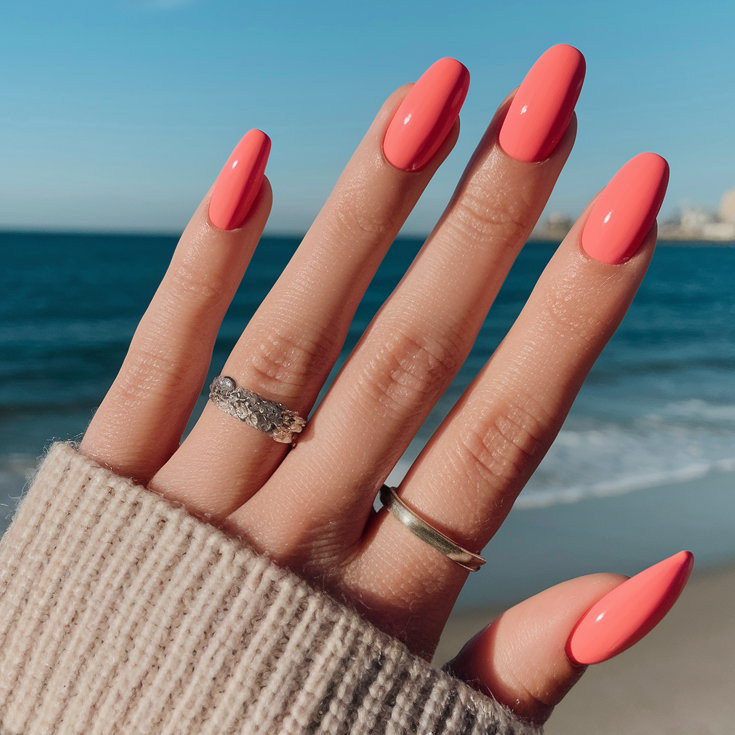
15 Vacation Holiday Nails
Beach, City & Resort Nail Ideas in One Guide Vacation nails are not made for salon lighting.They’re made for real life. Airports.Suitcases.Sunscreen on your hands.Saltwater.City pavements.Spontaneous dinners.Photos…
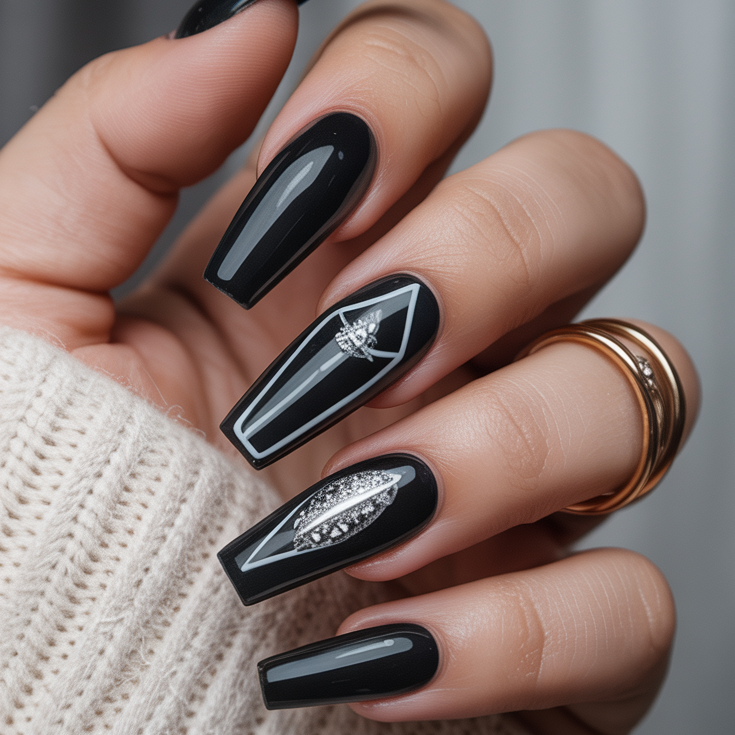
Gothic Coffin Nails
Why Coffin Shape Is Perfect for Gothic Nails The coffin shape doesn’t whisper.It sets the tone before color, before design, before detail. Long, tapered sides pull the…

Stylish Burgundy Nails
Burgundy Nails, The Secret to a Stylish Look and Its Variations Have You Ever Struggled to Pick the Right Nail Color? Have you ever stood in front…
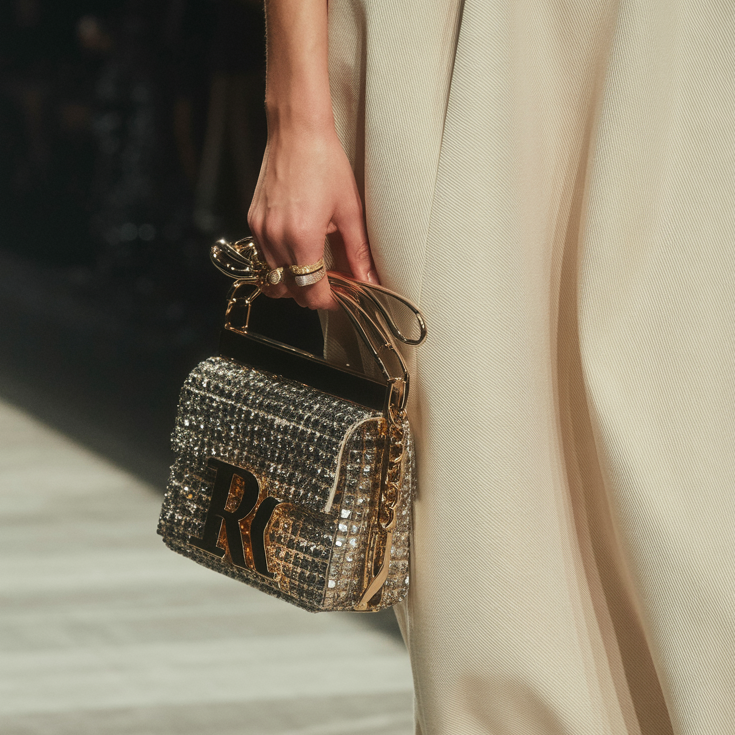
Best 2026 Italian Designer Handbags
The Most Iconic Italian Luxury Handbag Brands – The Ultimate Guide to Italy’s Most Iconic Luxury Bags Italy doesn’t just make handbags — it creates icons.From…
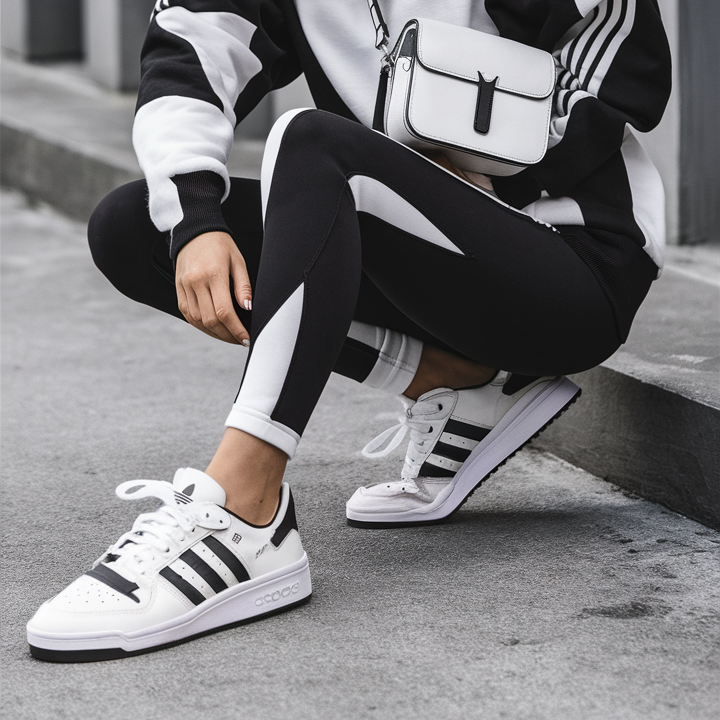
The Best Luxury Sneakers 2026
The Best Luxury Sneakers You’ll Ever Own – A Complete All-Season Guide to Statement Footwear Luxury sneakers aren’t just about comfort anymore.They haven’t been for a…
25 Luxury Diamond Engagement Rings
💎 The 25 Most Popular Luxury Diamond Engagement Rings – Styles, Meanings & Celebrity Inspirations 💍 A Timeless Symbol of Love and Luxury Few things capture the…
The 24 Most Popular Natural Diamond Rings in 2026
24 Engagement Ring Styles You’ll Fall in Love With When it comes to celebrating love, few things shine brighter than a natural diamond ring. From timeless…
This website contains original copyrighted content. Unauthorized use, automated scraping, or use for AI training is prohibited and actively monitored under the DMCA.